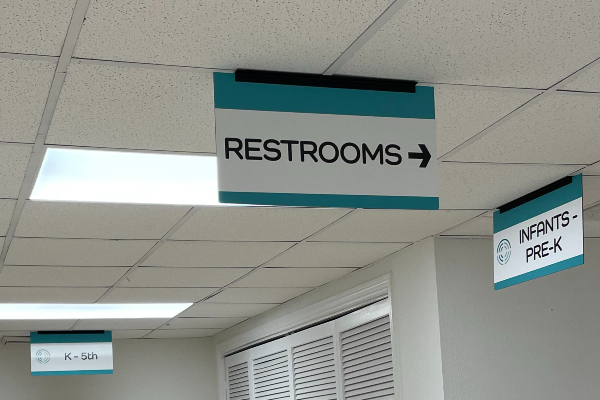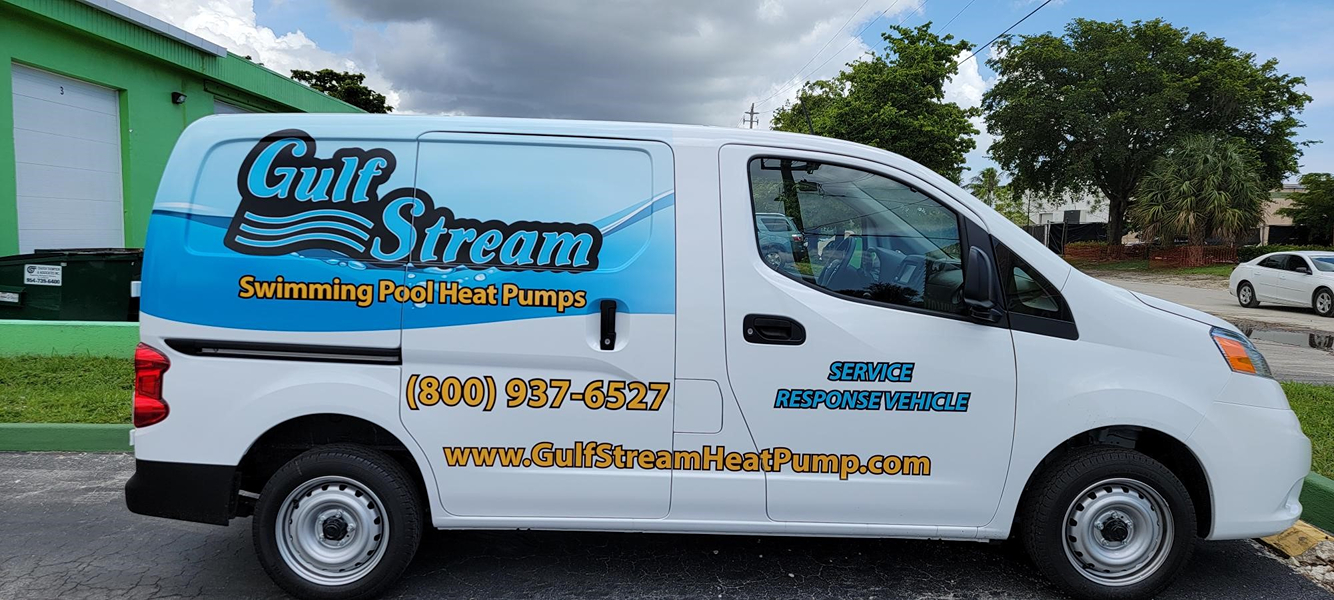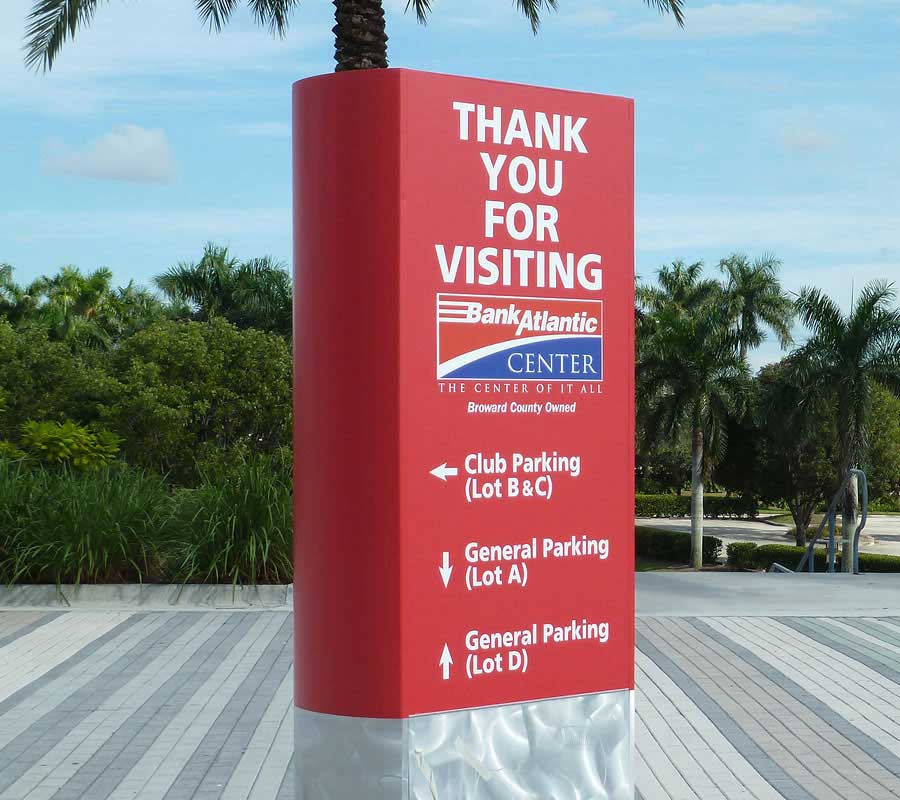
In places like hospitals, airports, and large shopping centers, people don’t have time to figure things out; they need directions that make sense instantly. Poor signage slows people down, creates frustration, and in some cases, leads to real confusion. Businesses rely on clear, consistent wayfinding signage in South Florida to guide visitors through complex spaces. That goes beyond signage alone; it includes naming conventions, intuitive icons, multilingual support, and accessibility standards working together to create a seamless navigation experience.
The Importance of Naming Conventions in Wayfinding
Naming conventions are the backbone of any wayfinding system. They provide clarity and consistency, ensuring that users can easily understand and locate their desired destinations. When developing a wayfinding signage strategy in South Florida or any other region, it’s important to consider the following:
Consistency in Naming
Consistency is key when it comes to naming conventions. Whether you’re labeling rooms, departments, or facilities, using a standardized naming approach helps avoid confusion. For example, if a hospital uses “Emergency Room” in one area and “ER” in another, it can lead to misunderstandings. By establishing a naming protocol, we can ensure that all signage uses uniform terminology.
Descriptive and Intuitive Names
Names should be descriptive yet intuitive. They must convey the purpose or function of a space clearly. For instance, instead of labeling a room as “Room 101,” consider using “Conference Room 101” to immediately communicate its purpose. This approach enhances the user experience by reducing the cognitive load required to interpret signage.
Icon Standards: Visual Language of Wayfinding
Icons are a universal language that transcends linguistic barriers. They are crucial in Wayfinding signage in South Florida as they provide quick and easy-to-understand cues for direction and identification. Here’s how we can use icon standards effectively:
Choosing the Right Icons
The selection of icons should be based on their recognizability and relevance. Well-designed icons convey meaning at a glance. For example, a universally recognized icon for restrooms or elevators ensures users can instantly identify these facilities without needing additional text.
Consistency in Design
Just like naming conventions, icon design must be consistent. This means using the same style, color palette, and scale throughout the signage. Consistency in icon design not only enhances aesthetic appeal but also reinforces branding and aids in quick recognition.
Multilingual Signage: Embracing Diversity
In multicultural regions like South Florida, multilingual signage is essential to accommodate diverse populations. This aspect of wayfinding messaging ensures inclusivity and enhances user experience for non-native speakers.
Identifying Key Languages
Understanding the demographic composition of an area helps in selecting the key languages for signage. In South Florida, for instance, Spanish and Creole are commonly spoken alongside English. By offering signage in multiple languages, we ensure that all users can navigate spaces comfortably.
Balancing Clarity and Space
While it’s important to include multiple languages, it’s equally crucial to maintain clarity. Overloading a sign with too much information can be counterproductive. Prioritizing essential information and using space efficiently is key to effective multilingual signage.
Accessibility: Ensuring Inclusivity in Wayfinding
Accessibility is a fundamental aspect of wayfinding strategy. It ensures that all individuals, regardless of abilities, can navigate spaces with ease. Here are some considerations to enhance accessibility:
ADA Compliance
Adhering to the Americans with Disabilities Act (ADA) guidelines is non-negotiable. This includes considerations for visually impaired individuals, such as using Braille on signage and ensuring high contrast between text and background for readability.
Inclusive Design
Inclusive design goes beyond compliance. It involves creating signage that caters to a wide range of abilities. For instance, incorporating tactile elements, auditory cues, and strategically placed signs can significantly enhance the navigation experience for individuals with different needs.
Integrating Technology in Wayfinding
Technology can play a transformative role in wayfinding. By integrating digital solutions, we can offer dynamic, real-time navigation assistance. Here are some ways technology enhances wayfinding content strategy:
Digital Signage
Digital signage offers flexibility and adaptability. It allows for real-time updates and interactive features, such as touchscreens, which can provide detailed directions, event information, and more. This adaptability is particularly useful in large and frequently changing environments like airports or convention centers.
Mobile Wayfinding Apps
Mobile apps can complement physical signage by providing personalized navigation assistance. These apps can offer step-by-step directions, notifications for changes in routes, and even augmented reality features to overlay directions on the real environment.
Case Study: Effective Wayfinding in South Florida
At AdGraphics, we’ve implemented successful wayfinding strategies in various South Florida locations. One notable example is a recent project in a large shopping mall where we integrated all the elements discussed.
By standardizing room names, selecting appropriate icons, and offering multilingual signage, we created an intuitive navigation experience. Additionally, incorporating digital signage and ensuring ADA compliance enhanced accessibility for all visitors. The result was a significant improvement in user satisfaction and ease of navigation.
Crafting a Comprehensive Wayfinding Content Strategy
Effective wayfinding is a blend of art and science. It requires a strategic approach that considers naming conventions, icon standards, multilingual needs, and accessibility. At AdGraphics, we are committed to delivering wayfinding solutions that cater to the diverse needs of South Florida’s population.
By prioritizing clarity, consistency, and inclusivity, we can create environments that are easy to navigate, welcoming, and accessible to all. Whether you’re updating existing signage or starting from scratch, we’re here to help you develop a comprehensive wayfinding content strategy that meets your specific needs.
If your facility needs clearer wayfinding signage that South Florida users can rely on, AdGraphics can help you standardize naming, improve icon consistency, and implement multilingual signage that works. Contact our team today to build a wayfinding system that improves navigation and accessibility across your space.