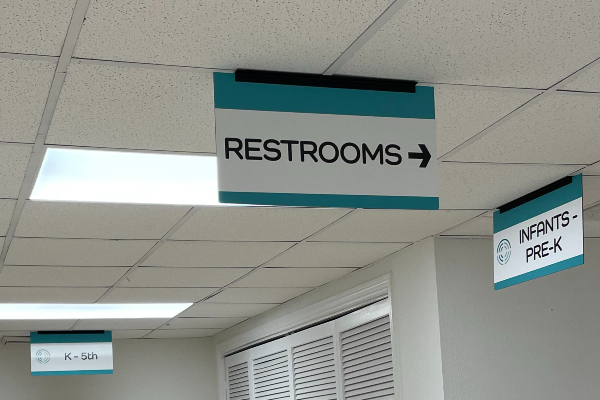
Large facilities like campuses, hospitals, and office complexes can be difficult to navigate without clear direction. Visitors often rely on signage to move through these spaces efficiently, especially in high-traffic areas. Implementing effective wayfinding signage in South Florida businesses and facilities can depend on helping improve navigation and overall visitor experience. ADGraphics works with organizations to design systems that guide people clearly while keeping layouts organized and easy to follow.
Understanding Wayfinding Signage
Wayfinding signage is a critical component of navigating any large environment. It serves as a visual guide, helping people to understand their surroundings and make better decisions about their paths. In South Florida, where diverse facilities abound, wayfinding signage must be clear, concise, and culturally sensitive.
The Importance of Wayfinding Signage in South Florida
South Florida has a diverse population, languages, and architectural styles. This diversity makes wayfinding signage even more critical. Signs must cater to a wide audience, ensuring clarity and accessibility. At ADGraphics, we emphasize the importance of designing signage that respects this diversity, using universal symbols and multilingual text where necessary.
Key Elements of Effective Wayfinding Signage
- Clarity: Signs should be easy to read and understand at a glance.
- Consistency: A consistent design across all signs helps users build a mental map of the environment.
- Visibility: Proper placement and size ensure that signs are visible from appropriate distances.
- Informative: Signs should provide just the right amount of information to guide without overwhelming.
Mapping Traffic Flow
Understanding and mapping traffic flow is a first step in environmental graphics planning. It involves analyzing how people move through a space and identifying key decision points where wayfinding signage in South Florida is necessary.
Steps to Map Traffic Flow
- Conduct Observations: Spend time observing how people naturally move through the space. Note areas where congestion occurs or where people frequently seem lost.
- Identify Decision Points: These are locations where individuals must make choices about their direction, such as intersections, entrances, and exits.
- Use Technology: Tools like heat maps and traffic flow software can provide useful insights into movement patterns.
- Consult Stakeholders: Engage with staff and regular users of the space to gather insights on common traffic pain points.
Implementing Traffic Flow Data
Once traffic flow has been mapped, the data should inform the placement and design of wayfinding signage. Signs should be strategically placed at decision points to guide users effectively. At ADGraphics, we integrate traffic flow data with our design process to ensure that signage is not only aesthetically pleasing but also functionally effective.
Sign Hierarchy and Placement
Sign hierarchy is another important element of wayfinding systems. It involves organizing signage in a way that prioritizes information according to user needs. This ensures that the most critical information is presented first, aiding in faster decision-making.
Creating a Sign Hierarchy
- Primary Signs: These provide essential information, such as building names or major directional cues. They are usually the largest and most clearly displayed.
- Secondary Signs: These offer further details, such as room numbers or specific departmental information.
- Tertiary Signs: These include regulatory and safety information, which, while important, is secondary to navigational data.
Best Practices for Sign Placement
Effective placement of signs can greatly enhance their utility. Here are some best practices:
- Height and Angle: Signs should be placed at eye level and angled towards the flow of traffic for maximum visibility.
- Lighting: Ensure signs are well-lit, especially in areas with low natural light.
- Consistency: Maintain a consistent distance between signs to create a rhythm that users can follow.
- Accessibility: All signs should be accessible to people with disabilities, adhering to ADA guidelines.
Directory Design and User Experience
Directories are often the first point of reference for visitors. A well-designed directory can significantly enhance user experience by providing a complete overview of the facility.
Elements of Effective Directory Design
- Logical Layout: Information should be organized logically, often mirroring the physical layout of the space.
- Interactive Elements: Digital directories can provide interactive maps and search functions for a more personalized experience.
- Clear Labels: Use clear and concise labels to identify different areas and services.
- Multilingual Support: In diverse regions like South Florida, providing multilingual support is crucial.
Enhancing User Experience Through Directories
Directories should be intuitive and easy to use. At ADGraphics, we focus on creating directories that are not only informative but also aesthetically appealing, using color coding and clear typography to enhance understanding.
The Role of Technology in Wayfinding
Technology plays an increasingly important role in modern wayfinding systems. From digital signage to mobile apps, technology can enhance the functionality and flexibility of wayfinding solutions.
Innovative Wayfinding Technologies
- Digital Signage: Offers real-time updates and can display changing content, such as event schedules or emergency alerts.
- Mobile Wayfinding Apps: Provide turn-by-turn navigation and personalized route planning.
- Interactive Kiosks: Allow users to interact with maps and directories for a more engaging experience.
Integrating Technology with Traditional Signage
While technology offers many advantages, it is important to integrate it with traditional signage to cater to all user preferences and needs. At ADGraphics, we believe in a balanced approach, combining the reliability of static signs with the flexibility of digital solutions.
Building a Wayfinding System That Works
Creating an effective wayfinding system requires careful planning, a deep understanding of user needs, and a commitment to accessibility and inclusivity. By focusing on key elements such as traffic flow, sign hierarchy, and directory design, we can build a wayfinding system that not only guides but also enhances the visitor experience. At ADGraphics, we are dedicated to helping facilities in South Florida and beyond create wayfinding solutions that are both functional and beautiful. For more information on how we can assist with your wayfinding signage needs, visit ADGraphics.
Whether you are looking to update an existing system or start from scratch, our team is here to guide you every step of the way. Let us help you create a wayfinding system that truly works.
For further inquiries or to discuss your project needs, please feel free to contact us.