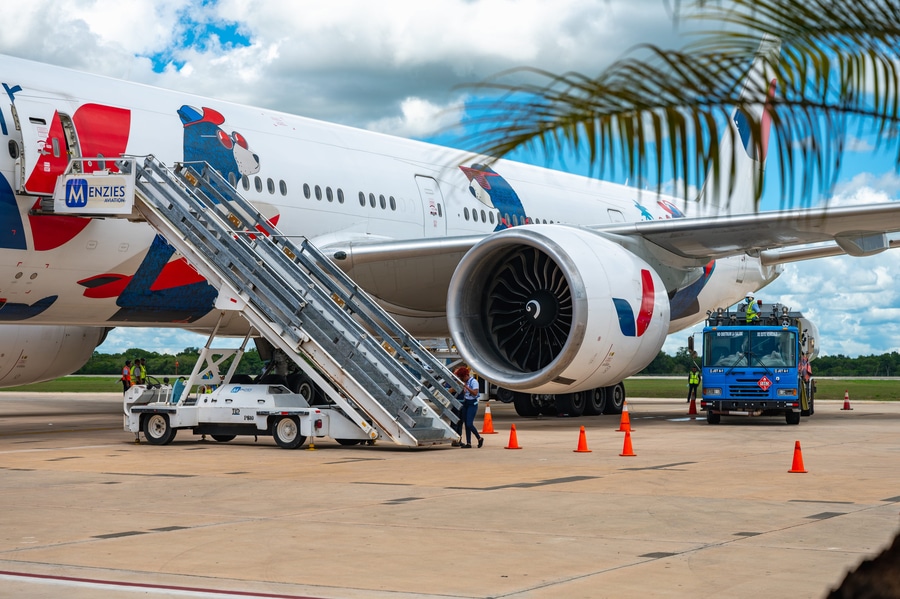
Aircraft graphics can turn an aircraft into a visible extension of a company, organisation, or personal brand. When comparing a full aircraft wrap with a partial wrap, the right amount of coverage depends on your branding goals, aircraft type, design priorities, schedule, and plans for future updates. AdGraphics helps clients compare these airplane wrap options and develop aviation graphics that work with both the aircraft and the intended brand message.
A full aircraft wrap applies a coordinated design across a large portion of the aircraft’s exterior, while a partial aircraft wrap focuses graphics on selected areas. Neither approach is automatically better. The right choice depends on your goals, aircraft type, budget, schedule, design priorities, and plans for future updates.
At AdGraphics, we plan aircraft wraps around the design goals, available surfaces, and practical requirements of the aircraft. Understanding the differences between these airplane wrap options can help you make a decision that supports your brand and works for your aircraft.
What Is a Full Aircraft Wrap?
A full aircraft wrap uses vinyl graphics across a large portion of the exterior to create a coordinated design. Depending on the design and aircraft, it may cover large areas of the fuselage and other suitable surfaces. The final coverage is planned around the aircraft’s shape, surface conditions, components, and operational requirements.
“Full” does not necessarily mean that every exterior surface is covered. Some areas may be unsuitable for film or may need to remain clear because of access, inspection, or maintenance requirements. The specific scope should be defined during project planning, with the design and installation approach tailored to the aircraft.
When a full wrap may make sense
- You want a bold, unified appearance. A design that spans broad areas can make a strong impression and help the aircraft stand out.
- Your brand relies on distinctive colors or imagery. Large-scale graphics can give a designer room to use patterns, photography, gradients, or other visual elements.
- You need a prominent mobile brand presence. For a business aircraft or promotional aircraft, extensive coverage can increase the visibility of the brand in relevant settings.
- You are coordinating a fleet identity. A consistent visual system across multiple aircraft can make a fleet easier to recognize.
A full wrap can offer significant creative scope, but that scope requires careful preparation. Larger projects generally involve more design coordination, material planning, installation time, and attention to details such as panel transitions and aircraft features. The aircraft’s condition and configuration also influence what is practical.
What Is a Partial Aircraft Wrap?
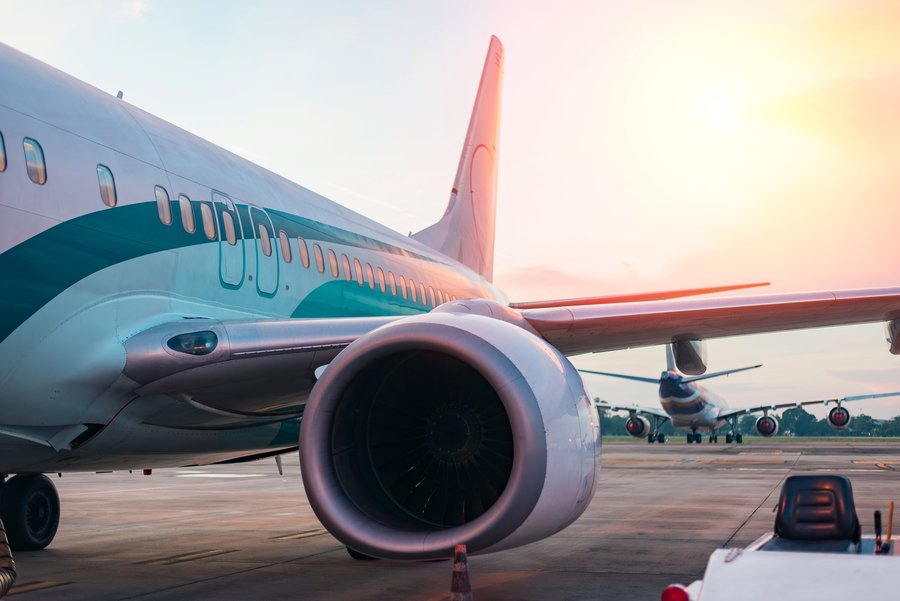
A partial wrap places graphics in selected areas rather than treating most of the exterior as one continuous canvas. It might feature a prominent logo on the fuselage, a branded tail, a stripe, or a combination of smaller graphic elements. The exact layout depends on the aircraft and the message you want viewers to notice.
A partial aircraft wrap can create strong brand visibility when the graphics are positioned and scaled carefully. A focused graphic does not have to look incomplete; it can create a clean, recognizable identity with less visual complexity. The key is to consider placement, scale, contrast, and how the design looks from the angles where people are most likely to see the aircraft.
When a partial wrap may make sense
- You need a clear logo and brand identifier. A well-positioned mark can communicate identity without covering a large area.
- You prefer a restrained design. Selective graphics can complement the aircraft’s existing appearance instead of transforming it entirely.
- You want to prioritize certain surfaces. A partial layout can focus attention on areas that provide strong visibility for your branding.
- You expect to update the design. Individual graphic elements may be easier to revise than a large, integrated design, depending on the project.
Partial coverage still requires professional design and installation. A small graphic can attract attention, which means alignment, finish, and readability matter. It is also important to ensure that the design looks intentional in relation to the aircraft’s existing colors and shape.
Comparing Branding Impact
The main difference between the two approaches is how much visual space the brand occupies. A full wrap can create a dramatic, immersive appearance. It may be the stronger fit when the aircraft itself is an important part of a marketing campaign or when a brand wants a distinctive look across a substantial portion of its exterior.
A partial wrap can deliver a more focused message. A logo, name, or signature graphic may be easier to identify when the design avoids competing details. This is especially useful when the main goal is recognition rather than more detailed visual messaging. A smaller graphic area can still be memorable if it is placed thoughtfully and uses consistent brand elements.
For either option, visibility depends on more than coverage. Consider the aircraft’s size, typical viewing distance, where it is parked or displayed, how it is used, and which parts of the aircraft people can see. A complex design may look compelling up close but become difficult to read at a distance. Clear hierarchy and readable branding help aviation graphics remain recognisable from relevant viewing distances and angles.
Project Scope, Schedule, and Flexibility
Coverage affects the scale of the project. A full aircraft wrap often involves more design work and installation planning than a partial wrap. More extensive coverage can mean more material and more time spent preparing surfaces, fitting graphics, and managing transitions around aircraft features. The actual scope varies with the aircraft and the design, so a project assessment is more useful than relying on general assumptions.
A partial wrap may offer a narrower project scope, but it is not automatically simple. Curved surfaces, access limitations, existing graphics, and the condition of the exterior can all affect the work. Good planning accounts for these details before production begins.
Flexibility is another consideration. If a company changes its logo, campaign, or fleet strategy, the project may need to be revised. A design built from distinct graphic elements can sometimes make targeted updates more manageable. A full design can also be planned with future changes in mind, but the best approach depends on how the graphics are constructed and which areas need updating.
How to Choose Between Full and Partial Coverage
Start with the branding goal before deciding how much of the aircraft to cover. Ask what the aircraft should communicate, who needs to see the message, and how the branding will be used. From there, weigh the practical factors alongside the creative vision.
- Define the primary goal. Are you aiming for a dramatic appearance, straightforward brand recognition, fleet consistency, or a specific promotional message?
- Review the aircraft and its surfaces. Aircraft type, surface condition, configuration, and operational needs help determine suitable coverage and graphic placement.
- Set a realistic project scope. Consider design, material, installation, and scheduling needs. A project consultation can clarify what each coverage level involves.
- Think about future changes. If branding or campaign graphics may change, discuss how the design could be updated or replaced.
- Prioritize readability. Make sure logos, names, and key messages remain recognizable from the distances and angles that matter.
- Consider the whole visual system. The graphics should work with the aircraft’s form and your wider brand identity, not simply fill available space.
Design and Installation Considerations
Aircraft are complex surfaces, so a wrap project should be planned specifically for the vehicle. Graphics need to account for curves, seams, access points, and other features. Design files should be prepared with the aircraft’s layout in mind, and installation should be carried out with attention to surface preparation and the details of the finished work.
It is also important to discuss maintenance and inspection considerations before finalizing a design. Owners and operators should follow applicable aircraft requirements and coordinate with qualified professionals when needed. A wrap is a graphics solution, not a substitute for routine aircraft care or required inspections. Clear planning helps ensure that the branding project fits responsibly into the aircraft’s use.
At AdGraphics, we also consider how the graphics will appear from different distances, angles, and lighting conditions. Ask how the graphics will look in different lighting, whether the key elements are easy to identify, and how the aircraft’s surfaces influence the design. These practical questions can improve the result regardless of whether you select full or partial coverage.
Which Aircraft Wrap Option Is Better for Your Brand?
A full aircraft wrap may be the better fit when you want broad visual impact, a coordinated appearance, or a larger design area for a distinctive brand expression. A partial wrap may be preferable when you want focused recognition, a cleaner look, or graphics that emphasize selected areas. Both approaches can support effective aircraft branding when they are designed around the aircraft and the audience.
There is no universal winner. The strongest choice is the one that balances brand goals, design, aircraft requirements, project scope, and plans for the future. A thoughtful partial design can be more effective than a full wrap that lacks focus, while a well-executed full wrap can create a strong visual presence when broad coverage serves a clear purpose.
If you are weighing your airplane wrap options, start by identifying the message you want the aircraft to carry. From there, our team at AdGraphics can help you explore design direction, coverage, and project considerations. The final design should work with the aircraft’s surfaces while presenting the brand clearly and consistently.
Contact AdGraphics to discuss your aircraft, branding goals, preferred coverage, and design direction. Our team can help you compare airplane wrap options and develop aviation graphics that suit both the aircraft and the way your brand needs to be seen.