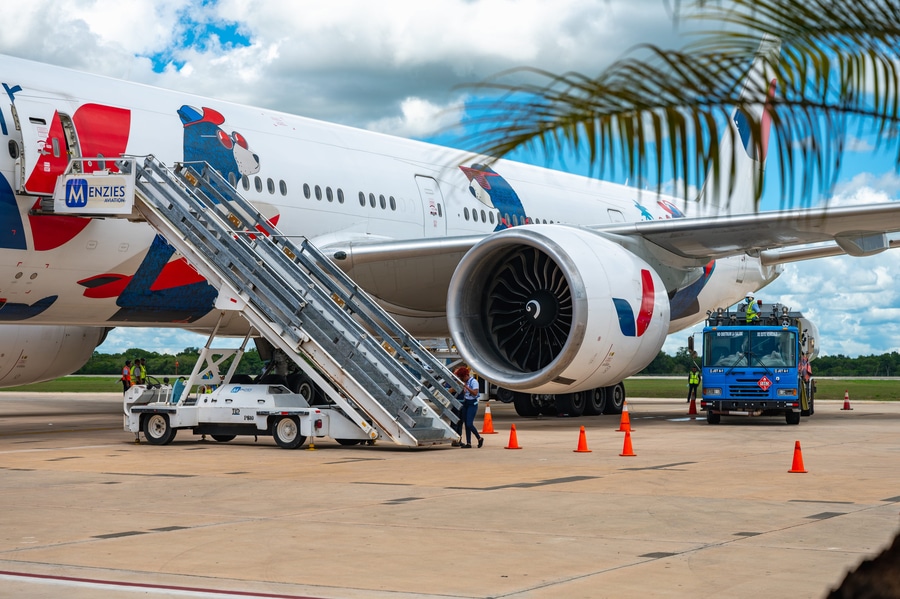
Good photos help customers understand your business. They show what you offer, introduce your team, and give people a clearer sense of your brand.
Smartphones can take sharp pictures. But business photography requires more than a good camera. Lighting, framing, editing, and image size all affect how a photo looks and where you can use it.
A photo for a website may also need to work on a banner, wall graphic, or printed display. Planning for those uses before the shoot can save time later.
ADGraphics offers professional photography alongside design, printing, and installation services. This helps connect the original image with the finished marketing material.
1. Show Customers What Makes Your Business Different
Stock photos are convenient, but they cannot show your actual business. The same image may appear on dozens of websites, including those of your competitors.
Professional commercial photography gives you original images of your people, products, and work. These photos help customers see what they can expect.
A business photo session can capture:
- Your team at work.
- Products and equipment.
- Offices, stores, and facilities.
- Completed projects.
- Vehicles and branded spaces.
- The steps involved in providing your services.
Give Customers a Clearer Picture
Real photos can answer questions before someone contacts you.
A hotel can show its rooms and event spaces. A manufacturer can show its equipment and production process. A transportation company can display its fleet.
These images help people assess whether your business fits their needs. They also give your website more useful content than a collection of generic stock photos.
Choose subjects that matter to your customers. If people often ask about your facilities, photograph them. If the quality of your work drives sales, show completed projects and close-up details.
2. Create a Consistent Brand Image
Your photos should work with your logo, colors, website, and printed materials. When these elements look consistent, customers can recognize your business more easily.
Dark, blurry, or mismatched images can distract from your message. Professional photography helps you control lighting, backgrounds, framing, and editing.
Plan Each Photo Around Its Purpose
Before the shoot, decide:
- Who needs to see the images.
- What the photos should communicate.
- Where each image will appear.
- Whether the design needs room for text.
- Which colors and backgrounds suit your brand.
- Whether you need horizontal and vertical versions.
These choices shape the final result.
For example, a website banner may need a wide image with space for a headline. A portrait for a team page needs a different layout. A large office wall graphic may require a much wider view and more image detail.
Combining photography with graphic design and printing helps keep these needs connected. The design team can plan how the photos will fit the finished layout.
3. Build a Photo Library for Future Marketing
A well-planned shoot can provide images for more than one campaign. It can give your business a collection of photos to use throughout the year.
Your image library may support:
- Website pages and blog posts.
- Social media posts.
- Digital advertisements.
- Brochures and sales materials.
- Email campaigns.
- Presentations.
- Banners and trade show displays.
- Wall graphics and branded interiors.
This saves your team from searching for new images every time a project begins. It also helps your marketing materials maintain a consistent look.
Capture More Than One Version
Ask for a mix of wide shots, close-ups, and different angles. Leave space around some subjects so designers can crop the images for different layouts.
A photo that works well in a square social post may not fit a wide banner. Capturing several versions during the shoot gives your team more choices later.
Keep the original, high-resolution files. Create smaller copies for online use rather than replacing the originals.
Plan Photos for Websites, Social Media, and Print
The final use of an image affects how it should be photographed and prepared.
Website Photos
Website photos should look clear without creating unnecessarily large files. Resize and compress them for the space where they will appear.
A small team portrait usually does not need the same file dimensions as a full-width banner. Keep a separate original file for future print projects.
Social Media Photos
Social posts may need square, vertical, or horizontal images. Plan for different layouts so important details are not lost when a photo is cropped.
Keep faces, products, and key details away from the edges when several crops will be needed.
Large-Format Photos
A photo that looks sharp on a phone may not look clear when printed several feet wide.
Before using an image for a wall graphic, banner, or display, review:
- Final print dimensions.
- Available image resolution.
- Sharpness and focus.
- The amount of cropping needed.
- Expected viewing distance.
- Space for text or logos.
ADGraphics’ artwork preparation resources provide guidance on preparing files for print. Share the planned output size with the production team before finalizing the artwork.
Which Businesses Can Use Commercial Photography?
Many businesses need original photos. The subjects and style should reflect what customers need to know.
Corporate and Professional Businesses
Team portraits, office photos, and project images can support websites, presentations, and sales materials.
Hotels, Restaurants, and Event Venues
Photos can show rooms, dining areas, amenities, and event spaces. Wide views help people understand the setting, while close-ups highlight details.
Transportation and Fleet Companies
Fleet photos can show vehicles, equipment, and completed branding projects. Companies updating their vehicles can also explore fleet graphics.
Schools and Universities
Campus photos can support recruitment, event promotions, presentations, and printed displays.
Healthcare Organizations
Photos of staff and facilities can help introduce an organization to patients and visitors. Plan the shoot around privacy requirements and obtain any necessary permissions.
Entertainment and Event Businesses
Photos of venues, performances, and events can support future promotions. Plan ahead if the images will also appear on large displays or signage.
How Photography Supports a Larger Branding Project
Photography often forms part of a wider design project.
An office update might combine original photos with interior graphics, signs, and wall displays. A trade show campaign might use the same images across banners, brochures, and exhibit graphics.
Planning these materials together helps the photos fit each layout.
The team should know which surfaces will display the images, how large they will be, and where viewers will stand. Those details can influence the shoot and the design.
ADGraphics offers project management and graphics installation services to support broader graphics projects.
How to Prepare for a Commercial Photo Session
A clear plan helps you get more useful images from the shoot.
- Set a goal. Decide what you want customers to understand or do after seeing the photos.
- Create a shot list. List the people, products, spaces, and details you need.
- Identify the final uses. Include websites, social posts, print materials, and large displays.
- Prepare the location. Clean the space, remove clutter, and check visible branding.
- Coordinate your team. Confirm who needs to attend and what they should wear or bring.
- Discuss file delivery. Agree on image formats, editing needs, and usage rights.
Share examples of styles you like. Explain what appeals to you, such as natural lighting, simple backgrounds, or close-up product details.
Frequently Asked Questions
What Is Commercial Photography?
Commercial photography creates images for business use. These photos may promote products, introduce employees, show facilities, or support advertising.
How Is Brand Photography Different?
Brand photography focuses on the overall look and personality of a business. It creates a consistent set of images that work across different marketing materials.
Can the Same Photos Be Used Online and in Print?
Often, yes. However, each use may need a different crop, size, or file format. Keep the original files and prepare separate versions for each channel.
Can Professional Photos Be Used for Large Wall Graphics?
Yes, if the images meet the needs of the finished print. The production team should review resolution, sharpness, cropping, print size, and viewing distance.
What Should I Ask About Photo Usage Rights?
Ask where you can use the photos, how long you can use them, and whether any restrictions apply. Confirm these details before the shoot.
Does ADGraphics Offer Photography and Printing?
Yes. ADGraphics offers photography, design, printing, installation, and project management services. Discuss your intended uses so the team can plan the images around the finished project.
Build a Photo Library That Works for Your Business
Original photos help customers see your team, your work, and what makes your business different. With the right planning, one shoot can support your website, advertising, printed materials, and branded spaces.
Contact ADGraphics to discuss your commercial photography project and how you plan to use the images.